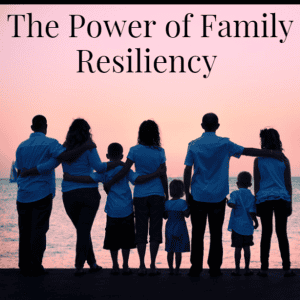
 Every family faces challenges, but when mental health concerns or substance use disorders become part of everyday life, those challenges can feel especially overwhelming. Relationships may become strained, communication can break down, and uncertainty often replaces the sense of security families once enjoyed. The good news is that resilience can be built. With compassionate care, evidence-based treatment, and a family-centered approach, individuals and their loved ones can develop the strength, skills, and support needed to overcome obstacles together. At The Center for Families, recovery is about more than treating symptoms. It is about helping families heal, reconnect, and create a healthier future built on lasting emotional wellness.
What Makes a Family Resilient?
Resilience is the ability to adapt, recover, and grow stronger after difficult experiences. For families affected by mental health conditions or addiction, resilience is developed through healthy communication, mutual support, consistent routines, and access to professional care.
Rather than expecting perfection, resilient families learn how to face challenges together. They recognize that setbacks are part of the healing process and that progress comes through patience, understanding, and ongoing commitment.
Resilience Begins With Compassion
One of the greatest strengths a family can develop is compassion. Mental health disorders and substance use conditions are complex medical concerns, not personal failures. When families approach recovery with empathy instead of judgment, they create a safe environment where healing can flourish.
Learning about addiction and mental health also helps family members better understand what their loved one is experiencing, reducing fear and encouraging more supportive interactions.
The Connection Between Mental Health and Addiction
Mental health disorders and substance use frequently occur together. Anxiety, depression, trauma, and chronic stress can increase the risk of developing unhealthy coping behaviors, while addiction often worsens emotional and psychological symptoms.
This is why integrated treatment is so important. Addressing both mental health and substance use simultaneously gives individuals a stronger foundation for recovery and reduces the likelihood of relapse.
Individualized Care Leads to Better Outcomes
No two people experience recovery in the same way. Every individual brings unique experiences, personal strengths, family dynamics, and treatment goals.
At The Center for Families, individualized care plans ensure that treatment reflects the whole person rather than focusing on a single diagnosis. This personalized approach helps clients build confidence while creating meaningful and lasting change.
Family Involvement Strengthens Recovery
Healing becomes more sustainable when families actively participate in the recovery process. Family-centered care recognizes that loved ones play an essential role in maintaining emotional wellness and supporting long-term recovery.
Rebuilding Communication
Mental health conditions and addiction often create misunderstandings, frustration, and emotional distance. Family therapy provides a structured setting where loved ones can rebuild trust through open communication, active listening, and respectful problem solving.
As communication improves, families become better equipped to support one another during both successes and challenges.
Establishing Healthy Boundaries
Healthy boundaries allow family members to offer encouragement while promoting personal responsibility. Boundaries help reduce enabling behaviors, encourage accountability, and create healthier relationship dynamics that support long-term recovery.
Practical Strategies That Support Emotional Well-Being
Professional treatment provides essential guidance, but everyday habits also contribute to emotional health and resilience.
Create Predictable Daily Routines
Consistent routines help reduce stress and create a sense of stability. Regular meals, healthy sleep schedules, physical activity, and shared family time support emotional balance and encourage healthy habits.
Practice Open and Honest Conversations
Creating opportunities for meaningful conversations strengthens trust and reduces feelings of isolation. Families benefit from listening without interruption, validating emotions, and approaching difficult discussions with patience and respect.
Celebrate Progress Instead of Perfection
Recovery is a journey marked by gradual progress. Recognizing milestones, whether large or small, reinforces positive behaviors and motivates individuals to continue moving forward.
Comprehensive Care Supports Lasting Healing
Effective treatment extends beyond addressing immediate symptoms. Long-term recovery requires ongoing support that addresses emotional, physical, relational, and spiritual well-being.
Mental Health Treatment
Evidence-based therapy helps individuals understand anxiety, depression, trauma, and other emotional challenges while developing practical coping skills that support long-term wellness.
Addiction Recovery Services
Recovery programs help individuals understand the underlying causes of substance use, manage triggers, strengthen emotional regulation, and build healthier coping strategies for everyday life.
Inpatient and Outpatient Care
Some individuals benefit from the structure and intensive support provided by inpatient treatment. Others achieve meaningful progress through outpatient services that allow them to balance recovery with work, school, and family responsibilities.
Personalized recommendations ensure that each client receives the level of care that best supports their recovery journey.
Supporting Whole-Person Healing
At The Center for Families, wellness extends beyond traditional therapy. A whole-person approach recognizes that emotional health is closely connected to physical wellness, relationships, and personal values.
Holistic Approaches to Wellness
Mindfulness practices, physical activity, nutritional support, stress management, and experiential therapies complement clinical care by helping individuals build healthier lifestyles and improve emotional resilience.
These holistic strategies encourage sustainable habits that continue supporting recovery long after formal treatment ends.
Faith-Based Support
For families who value spiritual growth, faith-based care offers additional encouragement throughout the healing journey. Spiritual guidance can provide hope, purpose, and comfort while reinforcing the principles of compassion, forgiveness, and perseverance.
Looking Ahead With Confidence
Building resilience is not about avoiding life’s challenges. It is about developing the confidence and skills needed to face them together. Families who invest in healthy communication, professional treatment, and ongoing wellness practices create stronger relationships that support lasting emotional health.
Recovery becomes an opportunity not only to overcome addiction or mental health challenges but also to build a future defined by trust, resilience, and meaningful connection.
Conclusion
Strong families are built through compassion, commitment, and the willingness to grow together. When mental health conditions or substance use disorders affect your family, seeking professional support can be the beginning of lasting transformation.
At The Center for Families, we provide compassionate, individualized mental health treatment, addiction recovery services, inpatient and outpatient care, and holistic, faith-based support that empowers families to heal together. Our integrated approach helps individuals develop the tools they need for lifelong recovery while strengthening the relationships that matter most.
If your family is ready to move toward greater emotional wellness and lasting recovery, contact The Center for Families today. Together, we can help you build resilience, restore hope, and create a healthier future for everyone you love.