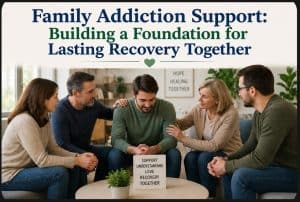
 Families encounter stress in many forms, from balancing work and school responsibilities to navigating life’s unexpected hardships. However, when mental health disorders or substance use challenges enter the picture, those everyday struggles can quickly become overwhelming. Communication may suffer, trust can weaken, and family members often feel uncertain about how to help. Fortunately, healing is possible. With compassionate guidance, individualized treatment, and a family-centered approach, families can move beyond daily challenges and create lasting, positive change together.
At The Center for Families, recovery is viewed as a journey that involves more than the individual receiving treatment. By combining evidence-based mental health care, addiction recovery services, inpatient and outpatient programs, holistic therapies, and faith-based support, families are empowered to heal together while building stronger relationships and healthier futures.
Understanding the Family Impact of Mental Health and Addiction
Mental health conditions and substance use disorders affect far more than the individual experiencing them. Parents, spouses, siblings, and children often carry emotional burdens that influence every aspect of family life.
Stress, anxiety, guilt, and uncertainty may become part of daily routines. Without proper support, these emotions can create unhealthy communication patterns and increase conflict within the home.
Family-centered care recognizes that recovery is strongest when everyone has the opportunity to heal, learn, and grow together.
Mental Health and Substance Use Often Overlap
Many individuals living with addiction also struggle with anxiety, depression, trauma, or other mental health conditions. Likewise, untreated emotional distress may contribute to unhealthy coping behaviors involving alcohol or drugs.
Treating both conditions together provides a stronger foundation for recovery because it addresses the underlying causes instead of focusing only on visible symptoms.
Why Family-Based Care Makes a Difference
Families serve as one of the most important sources of encouragement during recovery. When loved ones understand the treatment process and learn healthy ways to provide support, recovery often becomes more sustainable.
Education Builds Confidence
Learning about addiction and mental health helps families replace fear and confusion with knowledge and compassion. Education encourages healthier responses during difficult moments and reduces the stigma that can prevent individuals from seeking help.
Understanding that addiction and mental illness are treatable health conditions allows families to approach recovery with patience rather than judgment.
Stronger Communication Creates Stronger Relationships
Honest communication is one of the most valuable tools families can develop. Therapy provides opportunities to practice active listening, respectful problem solving, and healthy emotional expression.
These communication skills continue strengthening relationships long after treatment has ended.
Personalized Care Meets Every Family’s Needs
Every family has its own history, strengths, and challenges. Effective treatment recognizes these differences by creating individualized care plans that support both the individual and their loved ones.
Mental Health Treatment
Professional counseling helps individuals understand emotional challenges while developing practical coping skills to manage anxiety, depression, trauma, mood disorders, and other mental health concerns.
Therapy also creates opportunities to strengthen confidence, improve emotional regulation, and develop healthier responses to stress.
Addiction Recovery Services
Successful addiction recovery involves much more than ending substance use. Individuals learn to identify triggers, manage cravings, improve decision making, and replace unhealthy coping behaviors with healthier alternatives.
Integrated treatment helps clients build the emotional resilience necessary for long-term recovery.
Inpatient and Outpatient Care
Some individuals benefit from the structured environment provided by inpatient treatment, where they receive intensive therapeutic support in a safe setting.
Others may thrive in outpatient care, which allows them to continue work, school, or family responsibilities while participating in treatment. Matching the appropriate level of care to each individual’s needs helps create a personalized path toward recovery.
Supporting Recovery Through Holistic Healing
Lasting wellness involves caring for the whole person, not just addressing symptoms. Holistic treatment complements clinical care by supporting physical, emotional, relational, and spiritual well-being.
Healthy Daily Habits
Nutritious meals, consistent sleep, physical activity, mindfulness, and stress management techniques all contribute to emotional stability. These healthy routines improve overall wellness while supporting recovery goals.
Families who adopt these habits together often strengthen both their health and their relationships.
Faith-Based Support
For individuals and families who value spiritual guidance, faith-based support offers hope, encouragement, and a deeper sense of purpose throughout recovery.
When combined with evidence-based treatment, spiritual care can provide additional comfort while reinforcing resilience and personal growth.
Practical Family Strategies That Encourage Lasting Change
Recovery continues long after therapy appointments. Families can strengthen progress through consistent, healthy habits at home.
Establish Predictable Routines
Regular schedules create stability during times of change. Shared meals, consistent bedtimes, family activities, and healthy daily habits reduce stress while creating opportunities for connection.
Encourage Honest Conversations
Creating a safe environment where family members can express concerns without fear of criticism helps reduce isolation and strengthens trust.
Practice Healthy Boundaries
Boundaries support both compassion and accountability. Healthy expectations encourage personal responsibility while protecting the emotional well-being of everyone involved.
Celebrate Progress Together
Recovery is built through steady growth rather than perfection. Recognizing achievements, whether large or small, reinforces motivation and reminds individuals that meaningful change is possible.
Building a Future Rooted in Wellness
Families who actively participate in recovery often discover that healing extends far beyond symptom management. Improved communication, stronger relationships, healthier routines, and greater emotional resilience become lasting benefits that positively influence every area of life.
Over time, family members become more confident in supporting one another through life’s challenges while maintaining the healthy habits developed during treatment.
Recovery becomes not only a personal achievement but also a shared family success.
Conclusion
Everyday challenges do not have to become lifelong struggles. With compassionate care, individualized treatment, and active family involvement, meaningful recovery is possible for both individuals and the people who love them.
At The Center for Families, we are committed to helping families build healthier relationships through integrated mental health treatment, addiction recovery services, inpatient and outpatient care, holistic therapies, and faith-based support. Our family-centered approach empowers clients to heal emotionally, strengthen relationships, and create lasting change.
If your family is ready to take the next step toward emotional wellness and recovery, contact The Center for Families today. Together, we can help you move from everyday challenges to a future filled with hope, resilience, and lasting healing.